
Hidden history (part 3)
The role of UK church leaders in pushing World War I propaganda, and the parallels with recent events

At the end of this post…

…in the context of the book Prolonging the Agony: How the Anglo-American Establishment Deliberately Extended WWI by Three-And-A-Half Years…

…I pointed to parallels between World War I and the events of recent years:
Millions sacrificed for hidden causes… killed for profit… the real power consisting of the bankers, the financiers and compromised and/or corruptible politicians…
Censorship… in the context of a manufactured crisis situation deliberately and unnecessarily prolonged… gross lies ingrained… governments refusing citizens the truth…
And I added another example… not mentioned in the Prolonging the Agony blurb, but featured in the book…
UK church leaders promoting pertinent propaganda…
…which I said would be the subject of a forthcoming post. So here goes…
Some context
The war propaganda from UK church leaders comes in the context of the German tales about Belgian atrocities featured in this section of this post:

In the second chapter of Prolonging the Agony, which is titled The First Victims: The Truth and the People, MacGregor and Docherty describe in detail (p44ff) some of what was going on:
The French historian and politician, Gabriel Hanotaux wrote an illustrated history of the war of 1914 in which he interviewed Robert Bacon, a former US Ambassador to France and ex-Morgan partner. Bacon stated categorically:
In America ... there are 50,000 people who understand the necessity of the United States entering the war immediately on your side. But there are 100,000,000 Americans who have not even thought of it. Our task is to see that the figures are reversed and that the 50,000 become the 100,000,000. We will accomplish this.
It proved to be no idle boast. Newsreel propaganda in cinemas became increasingly common as the war progressed. Every possible method was used to connect the man in the street; cinema, pamphlets, advertising, photographs, illustrated news, novels and interviews. The mass media had become a weapon of war, and America was its prime target.
Of the milestones in the propaganda war aimed at the heart of America, the most devastating was the Bryce Report, the Report of the Committee on Alleged German Outrages which examined the conduct of German troops in Belgium, the breaches in the rules of war, and the inhumanity perpetrated against the civilian population. Lurid stories of German atrocities came first-hand from the many Belgian refugees who fled to Britain in August and September 1914 and filled newspapers of every political hue. None howled louder than the Northcliffe stable…
For context, here is a 2022 article from the Financial Times in relation to Lord Northcliffe — Alfred Harmsworth, “the original and probably the greatest UK press baron” who “wielded political power that even today’s magnate would envy”:

Long before Rupert Murdoch, there was Alfred Harmsworth. The original and probably the greatest UK press baron, the man who created the Daily Mail and Daily Mirror, as well as owning The Times and The Observer, wielded political power that even today’s magnate would envy.
He changed the course of a war and helped bring down a prime minister, while another gave him a government job abroad just to get him out of the country. His achievements were all the more remarkable for his being entirely self-made. Starting out as a freelance journalist, Dublin-born Harmsworth rose from fairly modest beginnings to become Lord Northcliffe and founded the media dynasty that still controls the Daily Mail group.
More importantly, the man who styled himself “the Chief” set a tone and style for popular newspapers that still prevails today — online as well as on paper. The mores of the Mail, still arguably Britain’s most influential newspaper, remain remarkably consistent with the founding attitudes of 125 years ago.
And it was newspapers such as the Daily Mail…
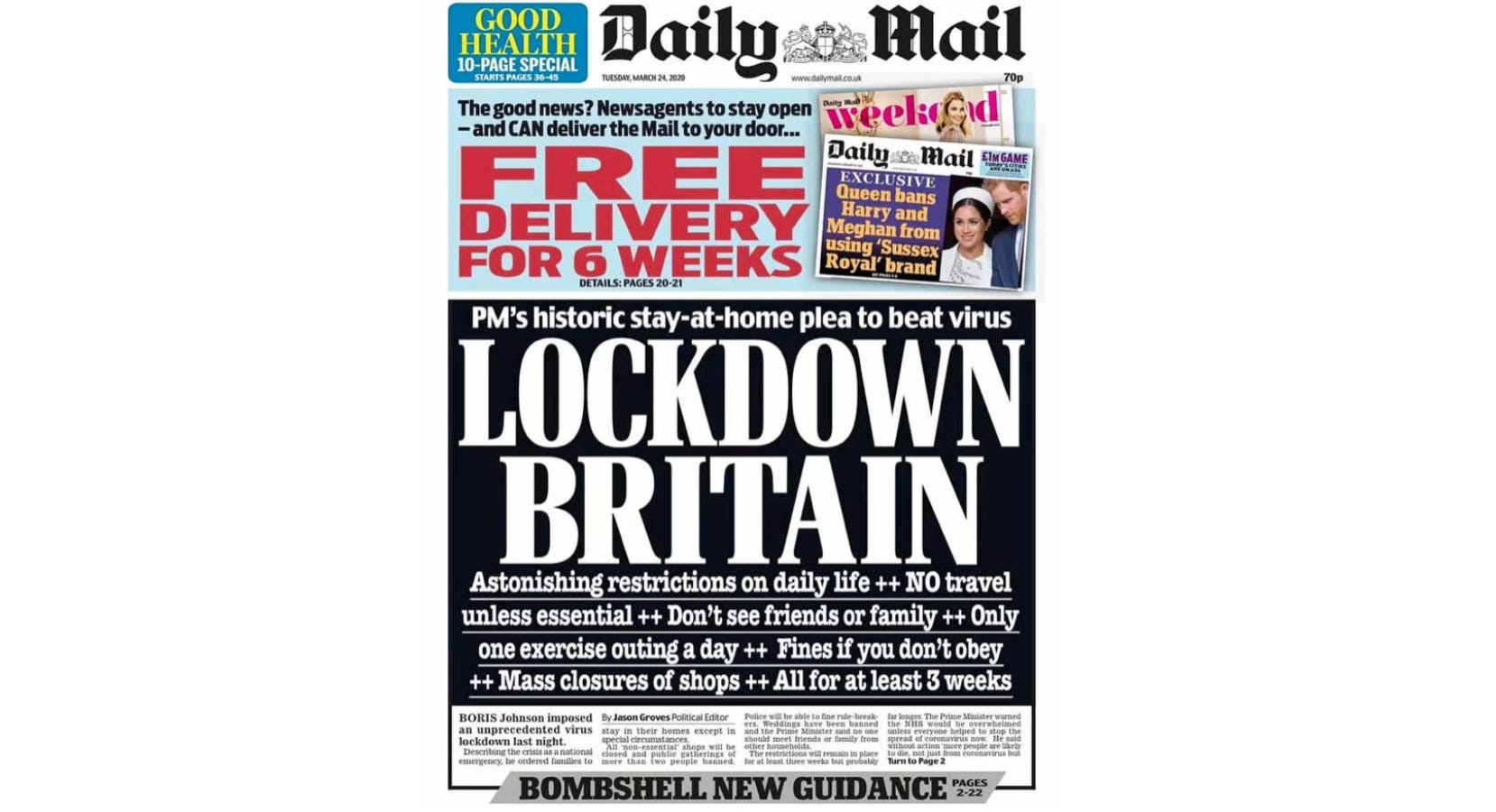
…that helped to persuade us that this situation…1

…was an unprecedented national emergency that required us to be confined to our homes.
But in 2020 the entire mainstream media was essentially singing from the same hymn sheet…
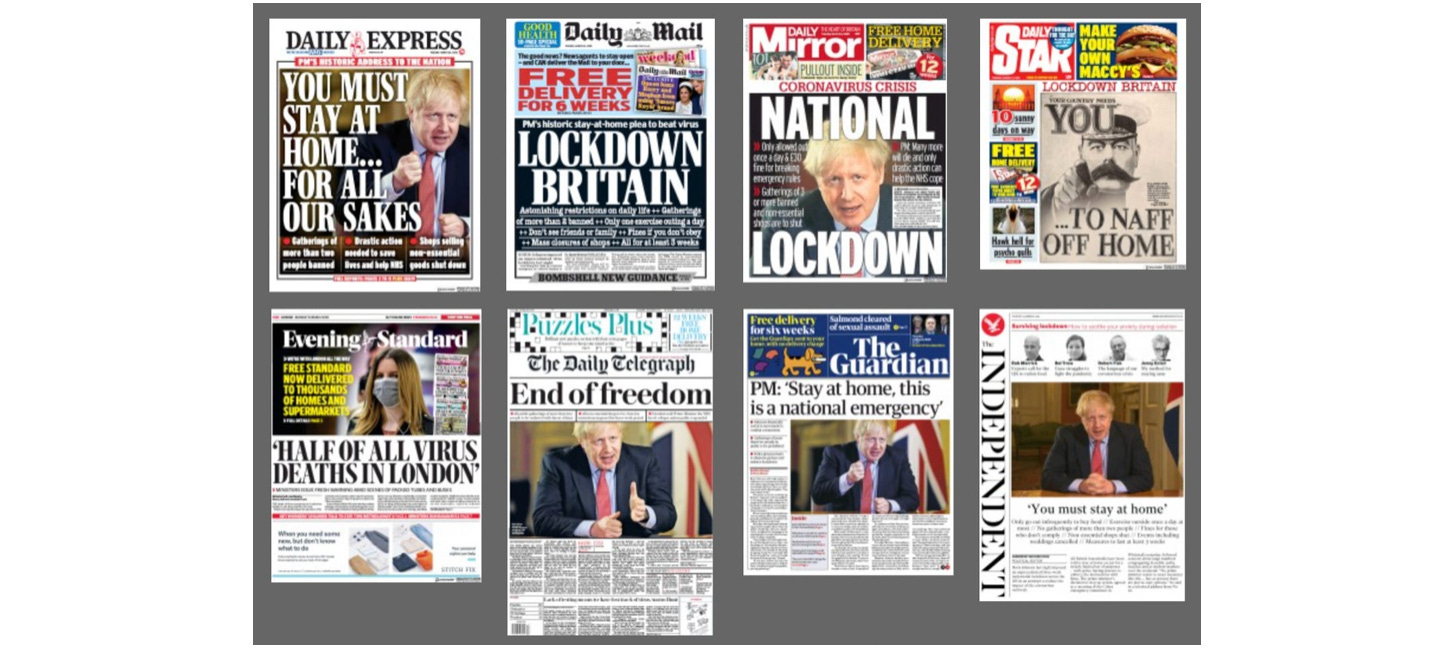
…and the propaganda ran…
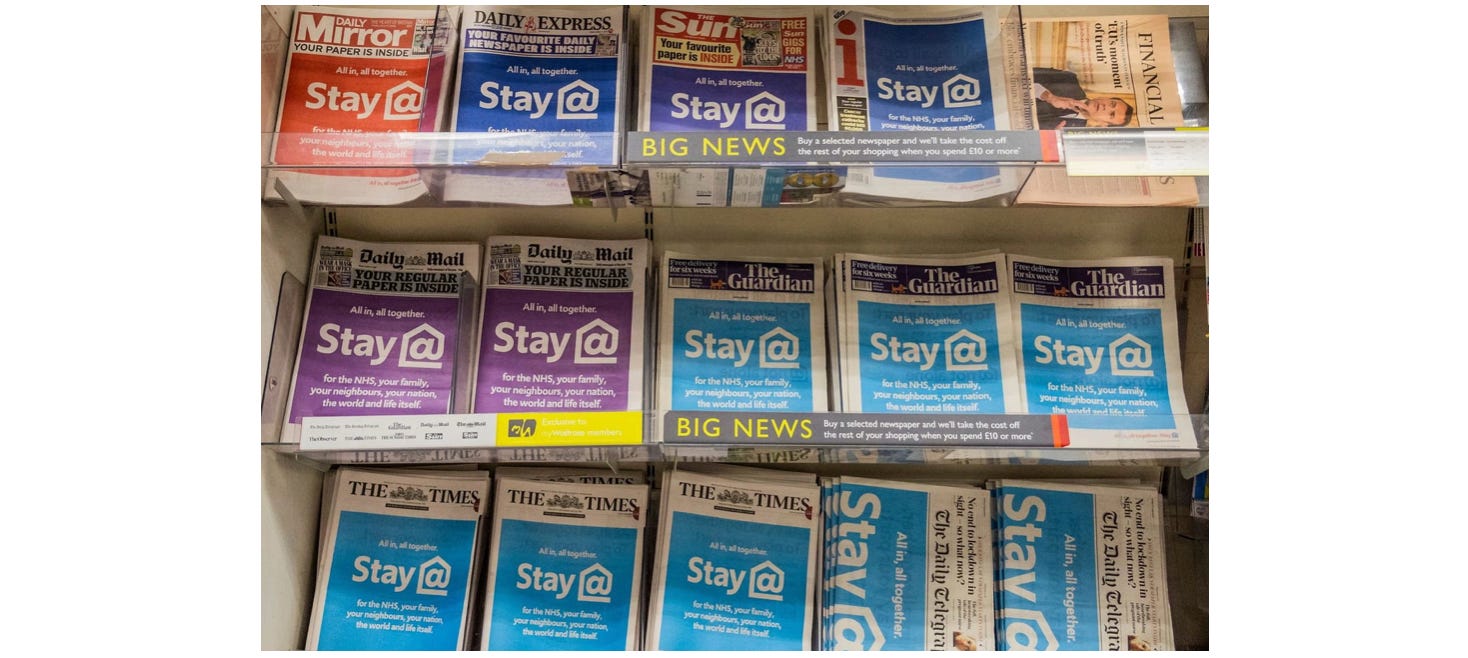
…and ran…
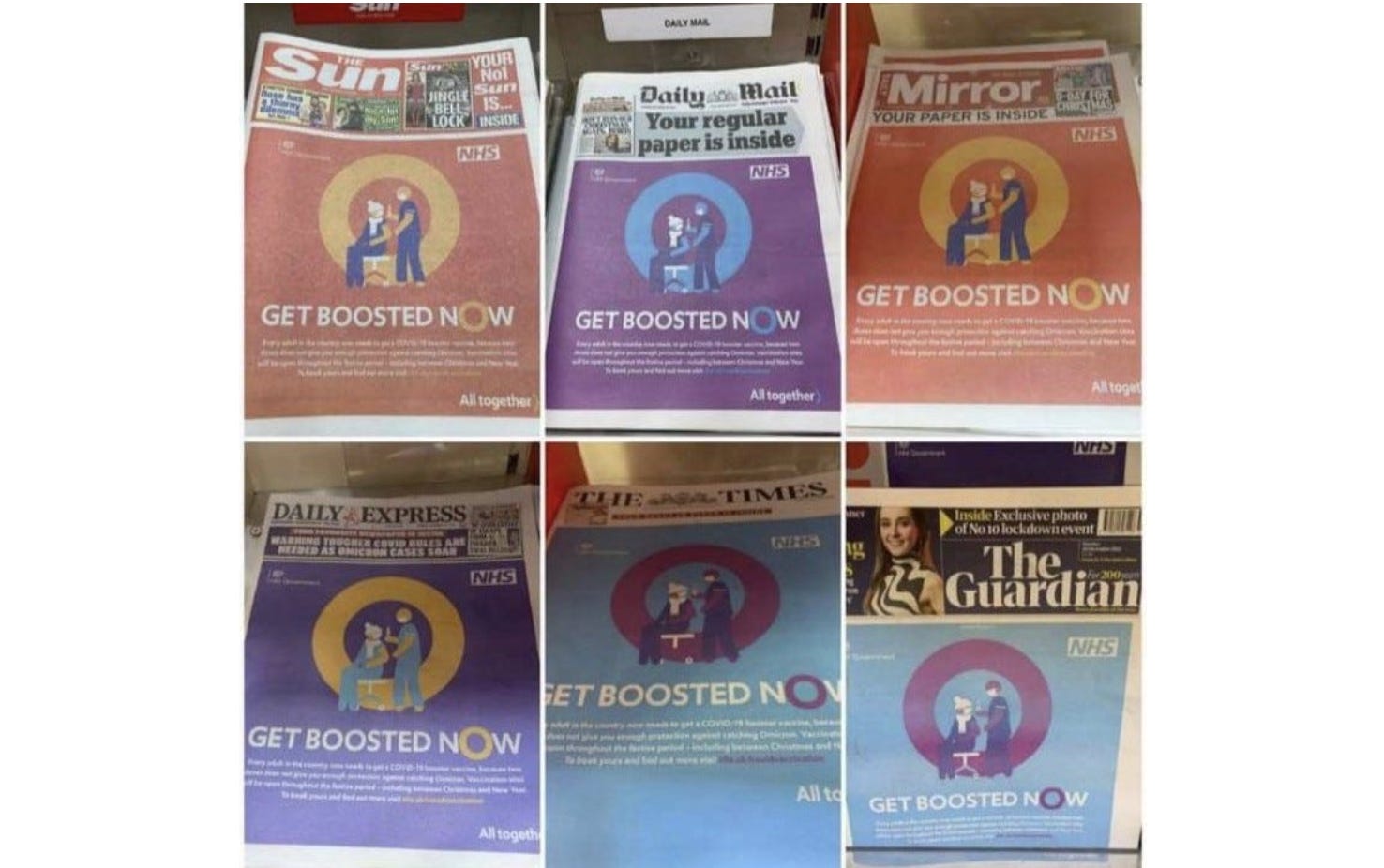
…until February 2022…
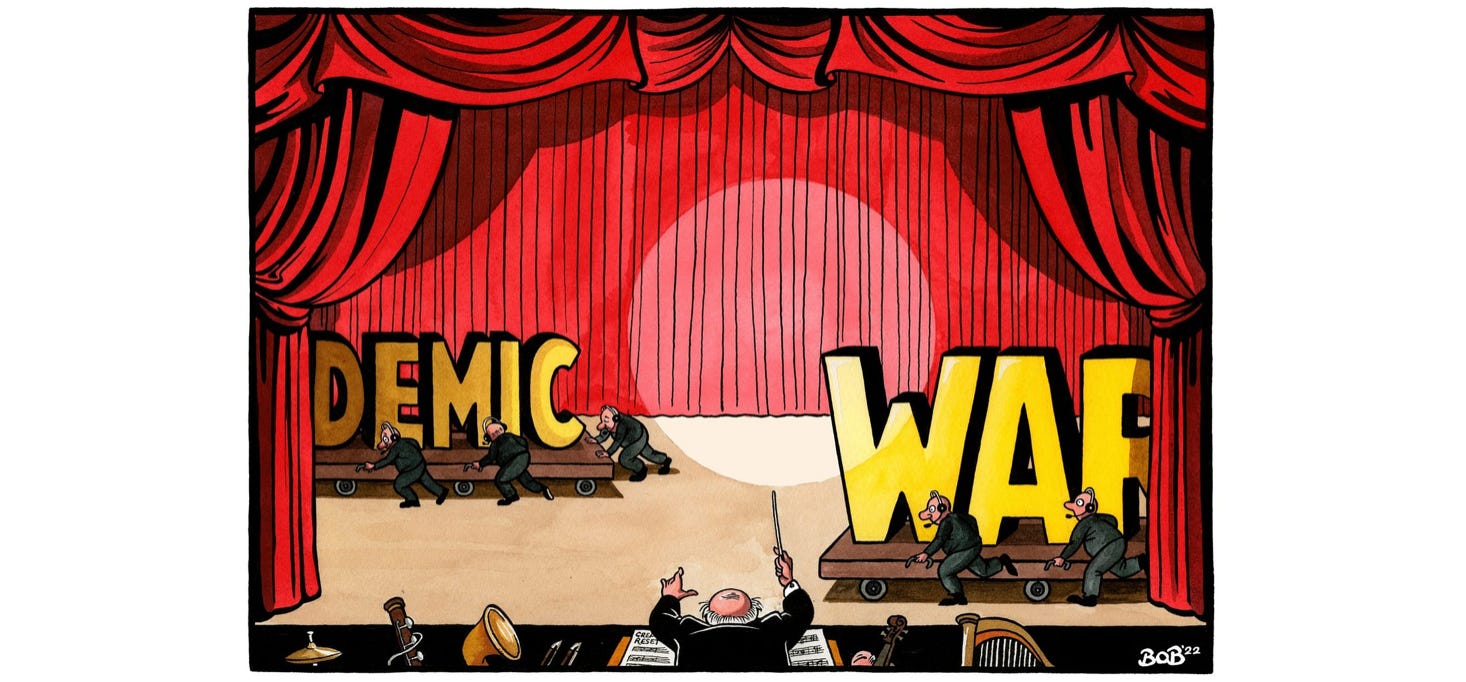
But I digress…
The authors of Prolonging the Agony continue:
On 12 and 17 August the Daily Mail railed against “German Brutality,” including the murder of five civilians corroborated by sworn statements from “witnesses.” Coming as it did when news from the front was scarce, such damning stories caught the public imagination and set it on fire. On 21 August, Hamilton Fyfe, a Northcliffe journalist who had served on the Times, wrote of “sins against civilization.” A sensational list of accusations filled the columns of the Times and the Daily Mail including the maiming of women and children, the bayoneting of wounded soldiers, women with their breasts cut off, nuns raped, and with sickening surety on 18 September a photograph was published purporting to be that of an innocent Belgian father holding the charred stub of his daughter’s foot. Backed by the evidence of civilian Belgian refugees and of British servicemen, these stories were spread across the world and did enormous damage to the German cause. Members of Parliament called for an official inquiry and a committee of the most eminent men in the realm was appointed on 15 December 1914 by Prime Minister Asquith.
The question raised is: how much of what was reported was actually true? — which is an important question to ask about past events, and perhaps an even more important question to ask about current happenings, especially when an unusually high-profile media story breaks:

The authors readily acknowledge that there were atrocities, not least the burning of Louvain, Andenne and Dinant; and the execution of hundreds of civilians in the context of stronger-than-expected Belgian resistance. But they contend that:
…the manner in which they were grossly exaggerated beyond credibility stands testament to the power of propaganda.
They point out that:
The chairman of Prime Minister Asquith’s official inquiry, Viscount James Bryce, had from 1907-13 been Britain’s most popular ambassador to the United States, a personal friend of President Wilson, twice the principle guest of the Pilgrims of America and from 1915-17, President of the British branch of the Pilgrims. He was assisted by three eminent lawyers and H.A.L. Fisher, the historian and member of the inner-circle of the Secret Elite [a group of wealthy and influential individuals of whom the general public is largely unaware],” who at that point was Vice-chancellor of the University of Sheffield. The final member, Harold Cox was editor of the Edinburgh Review and proved somewhat difficult to control. He was not one of the “group”.
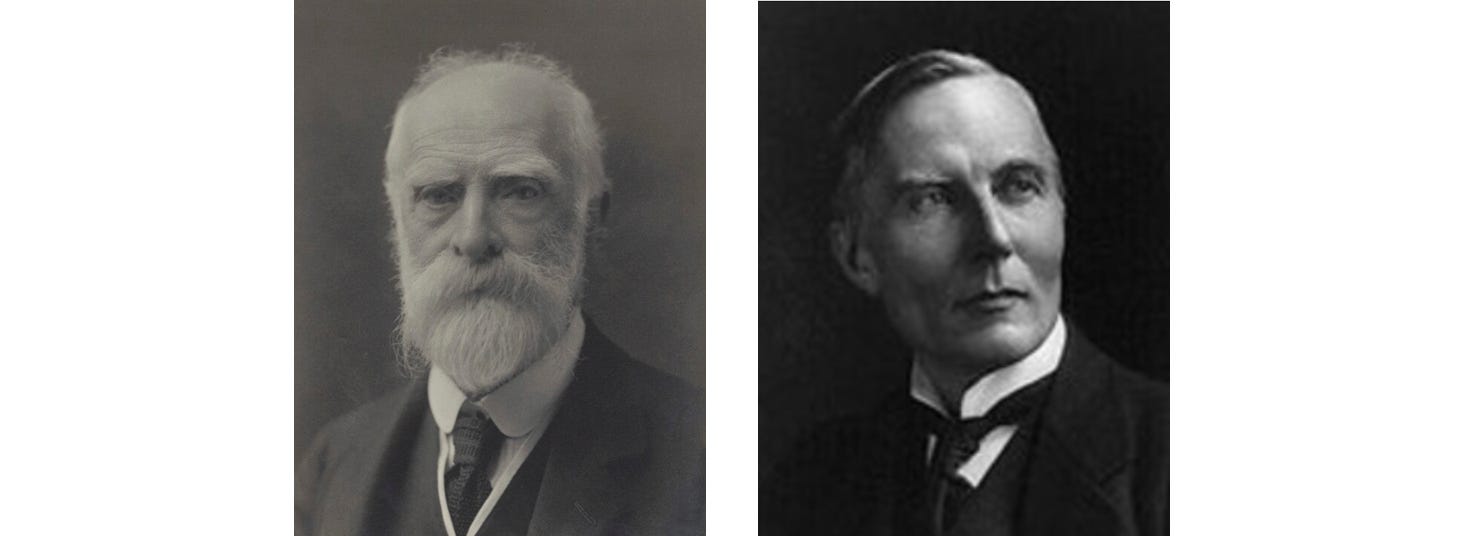
Historian and educator H. A. L. Fisher was a fellow of New College, Oxford, who served as President of the Board of Education in the Lloyd George coalition government from 1916 to 1922. In 1926 he became MP for the Combined English Universities, whose electorate consisted of the graduates of the universities included in the seat. He then he returned to New College as warden, i.e. the college principal, a post he held until his death in 1940.
Back to Prolonging the Agony…
The authors argue that while…
…the impression given was that this illustrious committee of very experienced and trustworthy gentlemen had examined 1,200 witnesses from whose evidence around 500 statements had been included in the report along with extracts from thirty-seven diaries taken from dead German soldiers and eye-witness reports from British soldiers…
…this was simply not the case. The reality was that witnesses spoke to no member of the Commission:
1,200 depositions had been taken, not by, but under the supervision of the Director of Public Prosecution. The work involved “a good many examiners” who had some legal knowledge but no authority to administer an oath. This had been going on for “three or four months” before the committee was appointed.”
And the committee’s task was to:
…sift through thousands of pages of testimony, given freely, but not under oath, and decide what should or should not be included in a final report. While they were able to speak with and “interrogate” the “lawyers” who took down evidence from the witnesses, they were not allowed contact with any witnesses themselves.
They point out that:
Harold Cox was particularly displeased with the arrangement. He wanted to re-examine some of the witnesses and forced Bryce to allow the committee to question the legal teams involved in taking the depositions.
And that:
…without [Cox’s] intervention, the preface to the report would not have mentioned the fact that they had not spoken to a single witness in person.
They add:
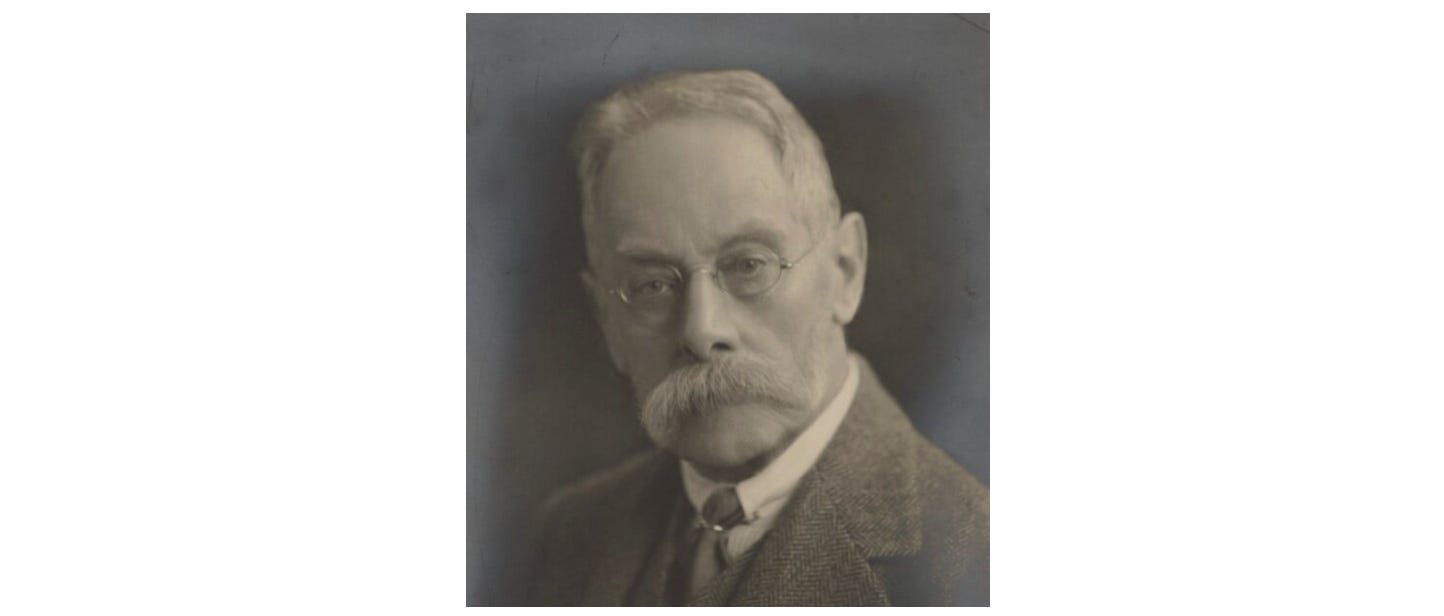
Almost every account that was put on record had already appeared in the national newspapers but by being included in the final report, they gained authenticity. The esteemed gentlemen had read the “evidence” and confirmed its veracity. The quasi-legal nature of the Committee, the trappings of procedure and due process, the presence of an eminent Judge, Sir Frederick Pollock, the wording which talked of corroboration of evidence, lawyers, cross-examination, testimony, the Courts of England, the British Overseas Dominions and the United States, witnesses and conviction allowed the report to assume the status of a profound judgment from the High Court of Judiciary. It was nothing of the sort.
And that:
The conclusion read as the charge sheet of ultimate villainy. It was designed to. The decision of the pseudo-court to which Germany had no appeal, was that in many parts of Belgium deliberate and systematically organized massacres of the civil population, accompanied by many isolated murders and other outrages had taken place. That in the conduct of the war innocent civilians, both men and women, were slaughtered in large numbers, women violated, and children murdered. Looting and the wanton destruction of property were deemed to have been ordered by the officers of the German Army and they determined that elaborate provisions had been made for the systematic burning and destruction of towns and villages at the very outbreak of the war.
They pronounced that this destruction had no military purpose. They asserted that the international rules of war were frequently broken, particularly by the use of civilians, including woman and children, as a shield for advancing forces exposed to the fire, to a less degree by killing the wounded and prisoners, and in the frequent abuse of the Red Cross and the White Flag. Every charge was “proven” guilty. In the penultimate paragraph the committee declared that all the charges were “fully established by the evidence.” The only trapping that was missing from this judicial pantomime was the black cap. And the world believed, though not one word was actually heard from the witnesses.
In summary:
The Bryce Report was a propaganda coup of the highest order. It was translated into 30 languages and dispersed across the globe by every British propaganda service.
By way of example:
In the United States, the New York Times of 13 May 1915 ran Bryce’s “verdict” on three full pages, over twenty-four columns, with pictures and unequivocal headlines…
But even at the time there was pushback:
…the American Irvin Cobb, in Belgium in 1914 as a correspondent for the Saturday Evening Post, wrote:
I had been able to find in Belgium no direct proof of the mutilations, the torturing and other barbarities which were charged against the Germans by the Belgians ... fully a dozen seasoned journalists, both English and American, have agreed with me, saying that their experiences in this regard had been the same as mine.
And:
Another American, lawyer Clarence Darrow, was similarly skeptical. In 1915 he visited France but was unable find a single eyewitness who could confirm even one of the Bryce stories. Increasingly unconvinced of the allegations that had apparently been substantiated by Bryce, Darrow announced he would pay $1,000 to anyone who could produce a Belgian or French boy whose hands had been amputated by a German soldier. He found none.
By way of contrast:
Far from Belgium the massive Russian army was invading East Prussia. The civil population in the region offered no resistance, but of the 2 million plus inhabitants, more than 866,000 were driven from their homes. Some 34,000 buildings were burned to the ground, 1,620 civilians murdered, and over 12,000 were sent to Russia as prisoners. None of these atrocities were ever reported in the British or American press…
The authors conclude:
Propaganda is so much more potent when laced with some truth. The opinions, exaggerated accounts and barrack-room stories were dignified by Viscount Bryce and his team as a true record. If we could refer back to the “evidence” they used then perhaps the skeptic might be convinced. Unfortunately the names and addresses of all of the witnesses whose depositions were so carefully catalogued by lawyers have disappeared, as have the depositions…
The role of UK church leaders
MacGregor and Docherty then turn to the role of UK church leaders (p49):
Though rarely ever mentioned, there was arguably a more despicable level of propaganda hurled at the masses from the pulpits of justification. If the Church of England was “the Conservative Party at prayer” the most senior prelates and professors of divinity who headed that Church represented the Secret Elite in conclave. Promoted and championed by inner-circle powerbrokers like the Earl of [Rosebery], the men who in August 1914 hailed the “Holy and Righteous War” owed their allegiance to God, All Souls, Oxford and the Secret Elite, though not necessarily is that order. They chose their role to justify the war, to explain the meaning of the war, to maintain morale on the home front and to remind the public that the primary obligation of young men was to enlist. In other words it was Germany’s fault, Britain had to save civilization, the war had to be seen through no matter the sacrifice and it was every man’s duty to serve.
For context, they explain that:
Before examining the role of the Church of England from 1914 onwards, we should understand that its political power rested both with a select section of the chosen hierarchy and with the Prime Minister and senior members of the House of Lords who appointed them. Control of the Church had once rested with the Crown but had been slowly transferred to Parliament between the fifteenth and seventeenth century. The Prime Minister appointed bishops, though they had to be approved by a “cathedral chapter” or council of high church officials, a strange anachronism given that a Presbyterian such as Campbell-Bannerman, or the Welsh non-conformist, Lloyd George, were involved in the process of election.
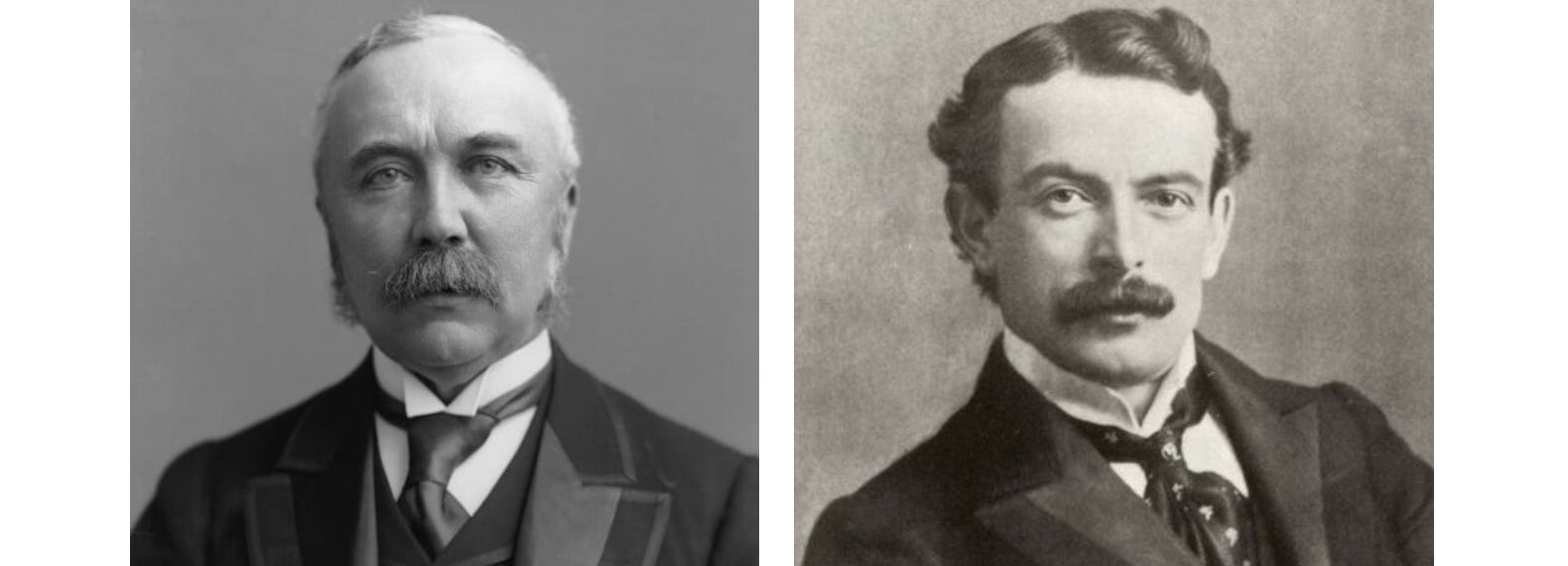
The Church of England was the religious preserve of the middle and upper classes, with its ministry drawn from university graduates, traditionally from Cambridge and Oxford. In the very class-conscious work of pre-war Britain, it aimed to place an educated gentleman in every parish church across the kingdom which aligned well with John Ruskin’s philosophy of a ruling class oligarchy, but alienated many working class Christians. Indeed, the vast majority of Anglican churchmen were openly hostile to trades union and labor movements and they feared the social unrest which was assumed to accompany them.
They point out how some clergy of the day were personally invested in armaments firms:
On the eve of what might have been the first general strike in England, William Randolph Inge, the Dean of St. Paul’s, summed up the alarm felt by his associates when he “denounced the unions as criminal combinations whose leaders deserved to be executed as rebels against society.” This was the same Dean Inge who profited from the war while extolling it as God’s work. His lucrative shareholding in Vickers Ltd. was not unusual. A roll-call of Bishops who invested in armaments firms like Vickers Ltd., Armstrong-Whitworth Ltd., John Brown and Co., included their Lordships of Adelaide, Chester, Hexham, Newcastle and Newport.
And how some of the most senior Church of England bishops of the era were very much part of the Establishment:
There can be no question about the Secret Elite pedigree of the most important Anglican clerics in August 1914. Cosmo Gordon Lang was recruited from All Souls by Lord Rosebery, and enjoyed a meteoric rise through the ranks of the Church. Lang became the suffragan (assistant) Bishop of Stepney from which comparatively lowly post he shot to the Archbishopric of York in 1908. At the invitation of Prime Minister Herbert Asquith, it took Lang a mere 18 years to rise to the second most esteemed office in the Anglican Church. He decreed that the war was “righteous” and was supported in this by all of his fellow Bishops. Another influential cleric, the Dean of Durham, Henley Henson was similarly an All Souls man. His War Times Sermons, published in 1915, extolled the Allied cause and by 1918 he was controversially installed as the Bishop of Durham and therefore became a member of the House of Lords.
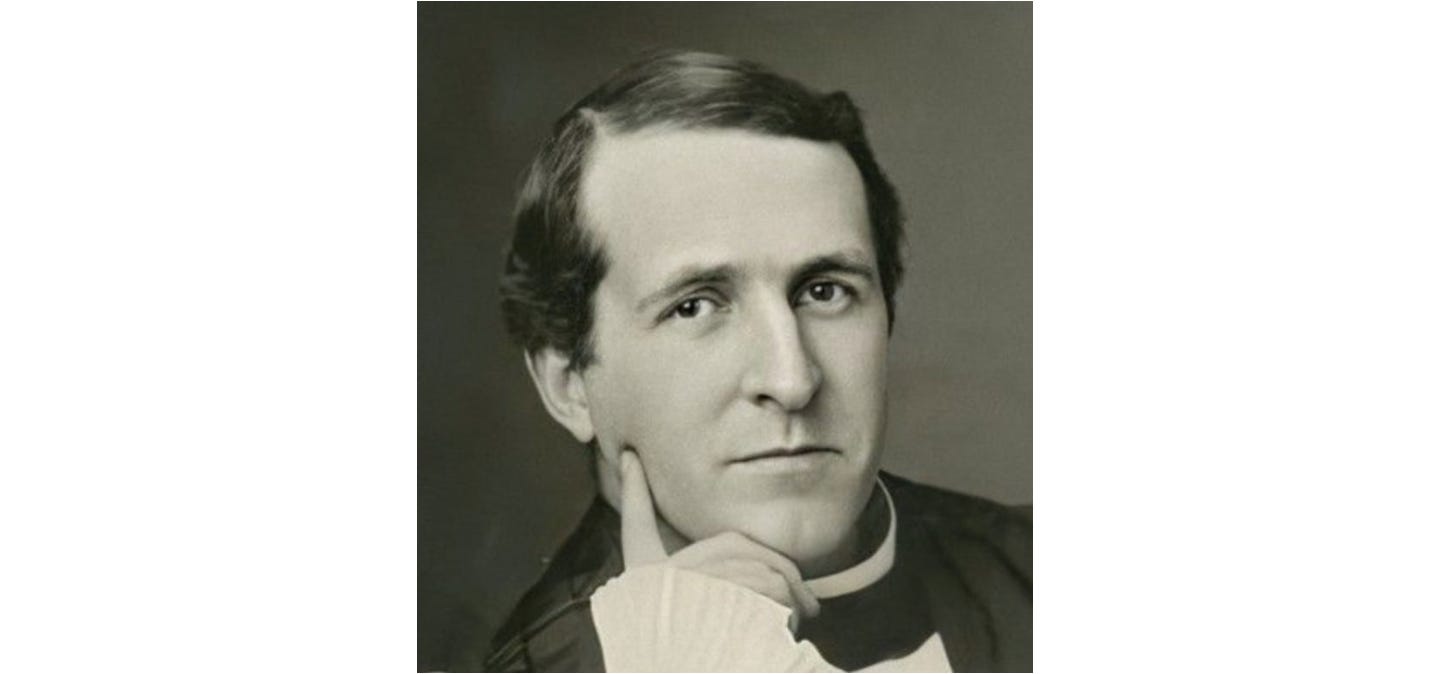
I am reminded of Justin Welby, who went from Dean of Liverpool in 2011 to Archbishop of Canterbury a mere two years later (via a short stint as Bishop of Durham), and whose World Economic Forum page…
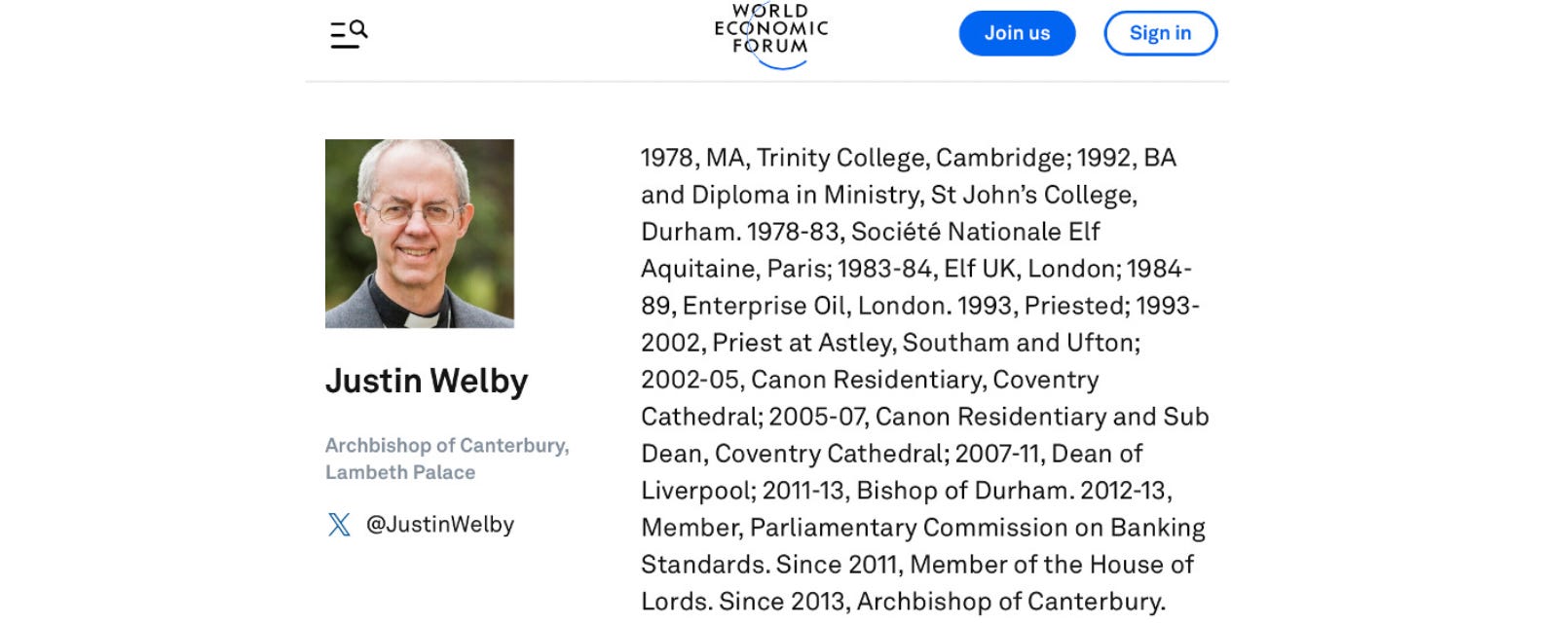
…has apparently “been archived”.
MacGregor and Docherty go on to describe how…
When war was declared the Oxford Dons amassed an extensive 87-pamphlet assault on every aspect of learned justification to “prove” German guilt.
And that:
This was met by a heartfelt cry from German theologians to American newspapers that a systematic network of lies emanated from Britain to blame Germany for the war to the extent that they denied the right of Germans to invoke the assistance of God. Ah, there we have it; God was an Englishman. The pamphlets, “To Christian Scholars of Europe and America; A Reply from Oxford to German Address to Evangelical Christians by Oxford Theologians” published on 9 September 1914, was a perfect example of the extent of Secret Elite influence. They immediately enlisted 14 theologians at Oxford, including five professors of divinity, to write the pamphlet dismissing the claims from German theologians as nonsense. The Oxford “Divines” condescendingly admonished the Germans for failing to study the events that led up to the war and concluded, “Will not the Christian scholars of other lands share our conviction that the contest in which our country has engaged is a contest on behalf of the supreme interests of Christian civilization.”
They point out:
…the arrogance and self-glorification of this argument. Oxford Professors claimed that Germany had no right to ask God’s blessing on the war, that German academics had failed to study the true causes of the war or the political “utterances” of their own countrymen, while stating that Britain and her Empire were fighting for the “supreme interests of Christian civilization.” The supreme interests for which British soldiers were sacrificed were those of the bankers, financiers, armaments producers and charlatans who compromised the Secret Elite.
By way of illustration, they cite how:
A commonly repeated theme among Anglican leaders was exemplified in a sermon given by Cosmo Lang in October 1914. Archbishop Lang alluded to the German philosopher Nietzsche and the common British interpretation of his writings to conclude that “might makes right.” He insisted there could be no peace until this German spirit had been crushed” and thus paradoxically appealed to “friends of peace ... to be supporters of our war.”
They point to the language used:
German spirit had to be crushed; not beaten, crushed.
And they note that (emphasis added):
…those who took a stance against the war were few in number and drawn from “an important cluster of socialists, Liberals [and] philosophical pacifists,” while there was virtually a total lack of resistance to the war by any vicar of the Church of England.
They add:
Time and again church leaders denied the very basis of Christian teaching, discarded the tenet of man’s conscience and denied that objection to the war was an acceptable stance for any Christian.
And make the case that:
In a spirit of reconciliation and humility there is great cause for the Church of England to reflect on its behavior during the war, and apologize. Not since Jesus was betrayed in Gethsemane has Christianity been so willfully sold out.
I wonder how they view the conduct of church leaders during the covid era. I am reminded of this recent powerful talk from Pastor John-William Noble:
I particularly recommend watching from 40:56-45:39.
The authors also note that:
In addressing the Anglican Bishops and senior clergy at Church House, Westminster in February 1915, the Archbishop of Canterbury stated the old justification that he did not “entertain any doubt that our nation could not, without sacrificing principles of honor and justice more dear than life itself, have stood aside and looked idly on the present world conflict.”
And point out that:
He was repeating, almost word for word, Sir Edward Grey’s statement of 3 August 1914.
Edward Grey was the UK’s longest-serving Foreign Secretary of the twentieth century — for eleven years from 1905-1916.2 He is perhaps best known for his 1914 remark that “the lamps are going out all over Europe; we shall not see them lit again in our life-time”. I wonder what was actually going through his mind when he said those words.
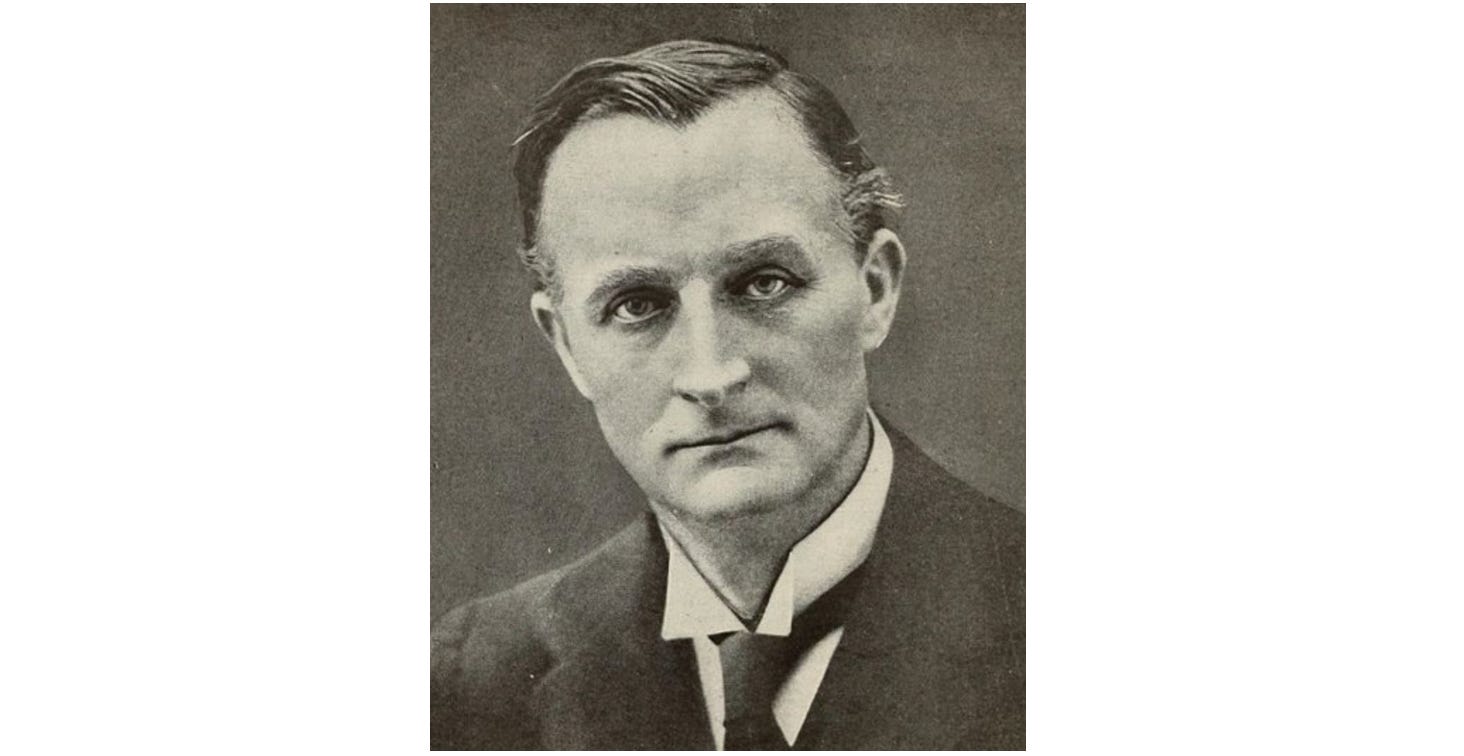
In contrast, at the time of writing the UK has seen ten Foreign Secretaries in the past eleven years.
The authors of Prolonging the Agony continue:
The concept of a Christian duty to fight was virtually universal among the Anglican clergy. Few if any said otherwise from within the ranks of the Church of England.
They point out that:
Given such unanimous support for the war by even the most liberal of Anglicans, it is not surprising that the pulpit became an adjunct for the recruiting office. The Archbishop went so far as to state that it was their sacred privilege to bid men “to respond ungrudgingly to their country’s call.”
And they invite the reader to:
Ponder these words for a moment. Young men, sitting in quiet country churches or great Gothic cathedrals were exhorted to go to war, to do their duty, to accept the sacrifices. Their emotions were constantly battered by sermons drawn from the Old Testament that extolled the wrath of an avenging God. How did they feel when the pastoral shepherd dropped the mantle of Christ the Peacemaker and became a bitter recruiting sergeant? Priests and Pastors would often stress duty and equate fighting for Britain and the Empire with fighting for Christ. Others railed against cowardice. The master of St. Catherine’s College, Cambridge said of those who refused to volunteer:
It is a pity that we cannot brand that sort of man “Made in fear of Germany.” Would to God we had known when they were born that they would eat our bread and grow and live amongst us, trusted and approved, and yet cowards. We need not have prayed and worked for them.
And ask:
Can you imagine hearing your own brother or son described in such outrageous terms? With what sense of self worth would a young man be left, who internalized these damning words? It was moral blackmail of a nefarious kind.
But in their view…
…the most outrageous proponent of the “virtuous war,” the prelate who stepped well over the line of Christian decency, was the Bishop of London, Arthur Winnington-Ingram. He was an Oxford man who worked hard for the poor in the East End of London and was consequently popular with the people of Bethnal Green. With the blessing of Lord Salisbury in 1901, Winnington-Ingram was appointed to the Bishopric of London and enthroned at St Paul’s Cathedral where he remained for thirty-eight years. He was one of the most outspoken and patriotic advocates of the war, beloved by the War Office and the Admiralty, who feted him on his visits to front line troops and naval installations.
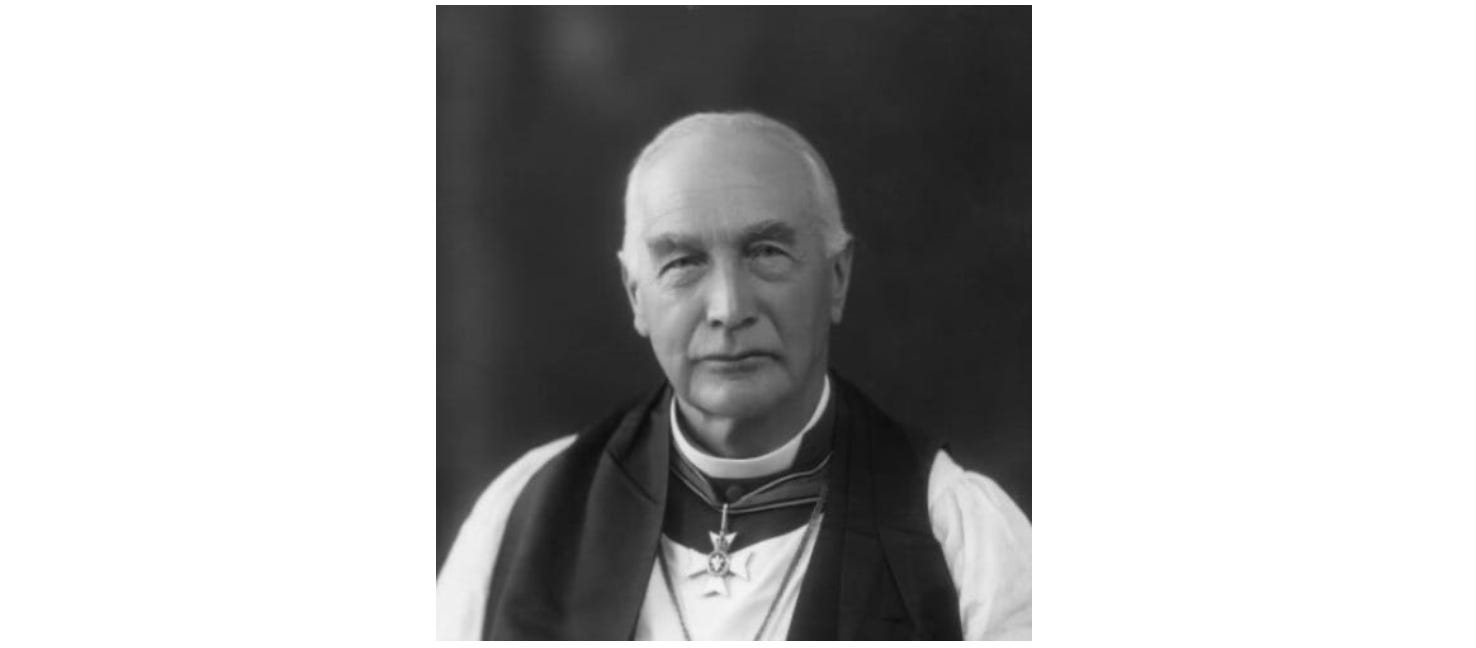
They note that:
Winnington-Ingram claimed to have added ten thousand men to the armed services with his sermons and other recruiting crusades. He made no estimate of how many died or were maimed needlessly because of his work for God and country. As Bishop of London, he never shrank from the enthusiastic endorsement of the righteousness of the war and the British cause and the important role the Church of England must play in the whole affair. His favorite text was; “better to die than see England a German province.” In return, he was given the second highest award for chivalry for his war service by King George V who appointed him Knight Commander of the Victorian Order. Winnington-Ingram’s pronouncements veered from the obnoxious to the banal. Speaking at a “Rally without Shame” at Westminster Church House in February 1915, he said that the Church had to foster and increase the fortitude of the nation; to comfort the mourners and inculcate a happier and brighter view of death. What did that involve? Cheer up, your only son is dead? Don’t get too upset; it was all in a good cause? His concept of comforting the mourners did not extend to the enemy. It was an odd kind of Christianity. Winnington-Ingram will long be remembered for words of a very different kind. After a year of war, the Bishop called for the men of England to:
…band in a great crusade — we cannot deny it — to kill Germans. To kill them, not for the sake of killing, but to save the world; to kill the good as well as the bad; to kill the young men as well as the old, to kill those who have showed kindness to our wounded as well as those fiends who crucified the Canadian sergeant, who superintended the Armenian massacres, who sank the Lusitania... and to kill them lest the civilization of the world should itself be killed.
Apologists have claimed that these words have been taken out of context, but it is difficult to imagine any context at all in which they could comfortably sit. Dress these words any way you can but they will still reflect a blood-thirsty crusade against Germany. Winnington-Ingram went further by adding, “as I have said a thousand times, I look upon it as a war for purity, I look upon everyone who dies in it as a martyr.” British, of course; one can only assume that Germans went to Hell. This is a theme he returned to time and again. He wrote in his sermons, “this nation has never done a more Christ-like thing than when it went to war in August 1914… the world has been redeemed again by the precious blood shed on the side of righteousness. In words that have been repeated to spur the modern-day jihadist, Bishop Ingram invoked the God of war.
I am reminded of this post in relation to the covid era…

…in which I noted that Justin Welby — then Archbishop of Canterbury — reportedly “shared a picture of himself getting the [covid] vaccine on Twitter, with the caption: ‘The rapid development of the vaccine is an answer to prayer — and it is central to the recovery from this terrible pandemic.’” I have not been able to find that tweet, but it is consistent with this Instagram post from Welby…

…which states that “Jesus Christ calls us to love our neighbour as ourselves” and that “Getting the vaccine is part of that commandment”. I wonder what was going through Welby’s mind when he said that, and what Jesus would say in response.
I am also reminded the role of other prominent figures in the Church of England, and particularly this video entitled Vaccine Encouragement which features Sarah Mullally — then Bishop of London — alongside twelve other bishops under the Your Neighbour/Give Hope banner:


Like Welby, Mullally has had something of a meteoric rise through the ranks of the Church of England. It was only three years after she was first made a suffragan (assistant) bishop in 2015 that she was appointed Bishop of London, one of the Church’s most senior roles.
In May 2020, only weeks into the covid era, she reportedly said that “churches might not return to normal services before the end of the year.”
In 2023, in a Health Service Journal article — As a priest I believe the workforce plan is an insufficient tribute to NHS staff, she wrote, in relation to the “joyful occasion” of the “75th birthday” of the NHS, that:
Both 1948 and 2023 have much in common; this is a time of recovery from the pandemic, when we must equate the “building back better” of then to now. In reality, it’s not as simple as that. As we continue to recover from the pandemic, we are hearing from those giving evidence to the covid inquiry that we weren’t as prepared as a nation as we should have been…
I am reminded of this “Build Back Better” compilation featuring the likes of Tony Blair, Greta Thunberg, Hillary Clinton, Justin Trudeau, Boris Johnson, Barack Obama, Bill Gates, Kamala Harris, King Charles III,3 Keir Starmer, Pope Francis, Prince Harry and Sadiq Khan.
An in 2024, in another HSJ article — Covid proved religious groups must have a role in tackling health inequalities, Mullally wrote:
I have spent my adult life serving in two of Britain’s most prominent institutions, the NHS as chief nursing officer to the government, and now as Bishop of London in the Church of England. There are many similarities between nursing and being a priest — not least that I have found myself in strange uniforms…
…it was during the biggest health crisis of our lifetime, the covid-19 pandemic, that the importance of faith groups for our collective health began to be realised…
…faith groups providing vaccination centres…
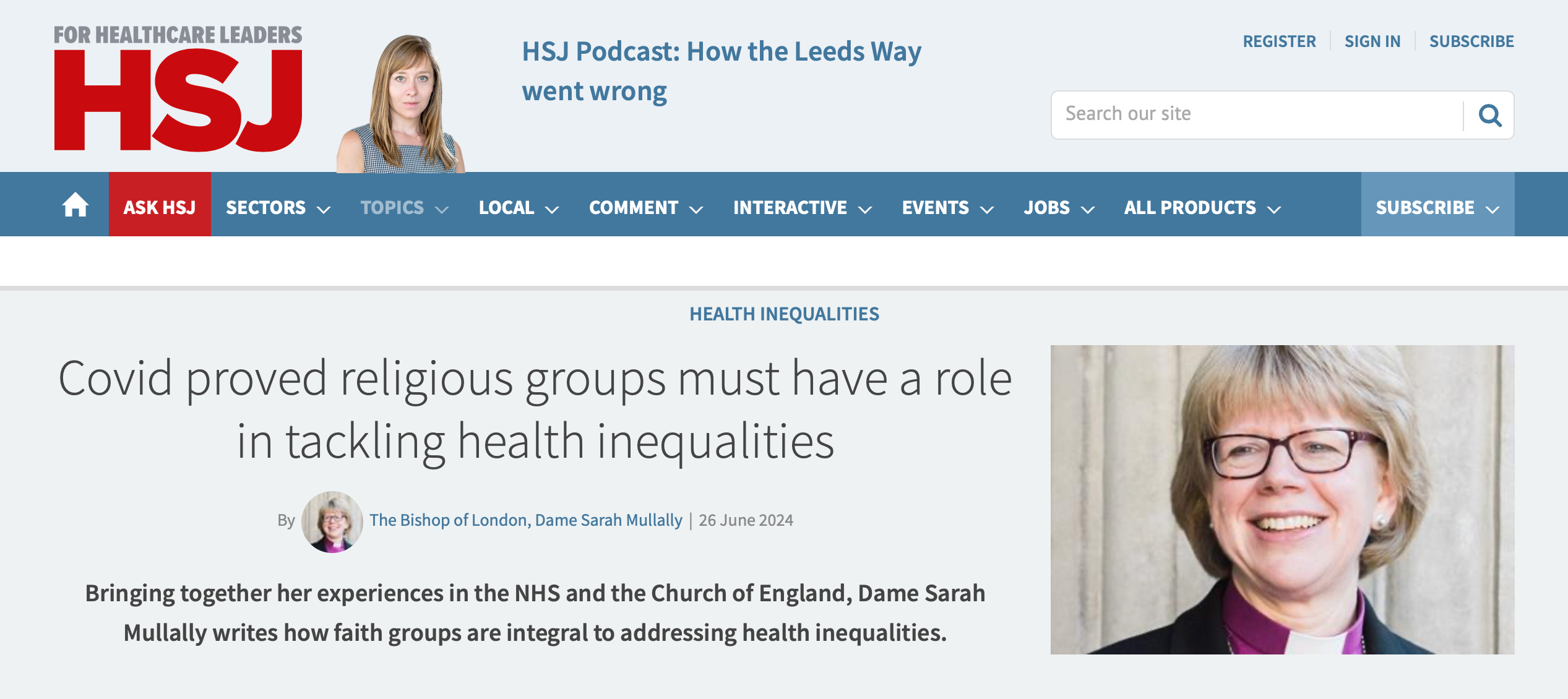
Vaccination centres “for our collective health”. I wonder how history will eventually judge those words from recently-appointed first female Archbishop of Canterbury.
The authors end chapter 2 by commenting further on how church leaders became embroiled in the wartime propaganda of the time:
[Winnington-Ingram] was also ready to absorb every word of anti-German propaganda and repeated stories of atrocities without caution. His reference to the crucified Canadian soldier was one such myth that circulated early in the war. It was a vicious lie wrapped in fear and loathing to inspire vengeance. Propaganda was an important source for the tales of unforgivable German wickedness the Churches were willing to perpetuate. Clergymen of all faiths became both participants in and victims of propaganda. Many Anglican ministers found it hard to believe that civilized Germans could be responsible for the atrocities claimed in the initial stories. However, the burning of Louvain and especially the university library, and the horrors of the Bryce Report were all instrumental in changing their minds. Once their faith in German civilization had been breached, nearly every atrocity story in circulation was accepted and transmitted to their flocks. They took their texts from a different Bible, one written by the propagandists at Wellington House or an unnamed journalist from the Northcliffe stables.
Perhaps the last word should go to Brigadier-General F.P. Crozier, who wrote: “The Christian churches are the finest blood-lust creators which we have, and of them we made free use.”
It was ten years after the end of WWI that “the father of public relations” Edward Bernays, wrote of:
An invisible government which is the true ruling power of our country… invisible governors who are, in many cases, unaware of the identity of their fellow members in the inner cabinet… A relatively small number of persons… who pull the wires which control the public mind, who… contrive new ways to bind and guide the world.
As to Prolonging the Agony, I am particularly struck by the sentence:
Clergymen of all faiths became both participants in and victims of propaganda
I have some sympathy for clergy at all levels during the covid era. But it is one thing to be taken in at the time, and quite another to refuse to acknowledge any of the mistakes made and the harms caused. Moreover, it is one thing for clergy who plainly do not regard the Bible as the authoritative word of God to stay quiet, and quite another for church leaders who claim to “sit under the authority of Scripture” (or similar) to remain silent.
The authors then provide a helpful summary of the whole of chapter 2, including three points in relation to the section on church leaders:
Democracy in Britain was dead. An Aliens Restriction Act and the Defence of the Realm Act immediately gave sweeping powers of control to the government.
Acts of Parliament prepared by the Committee of Imperial Defence in 1911-12 were rushed into law. Banking and finance was given pride of place and the Bank Holiday was extended to protect the stock market. Paper money was printed for the first time.
The Prime Minister did not appoint any member of his cabinet or the Liberal Party to the vacant post of Secretary of State for war, because he could not trust them with the truth about the causes of the war.
Appreciating the value of his public persona, the Secret Elite decided that Lord Kitchener, who ‘just happened’ to be in London at the time, should be appointed. Alfred Milner physically put Kitchener into a taxi to 10 Downing Street to confront Asquith.
In his first speech to the House of Lords, Kitchener warned that a war would not be short-lived. He talked of a minimum of three years.
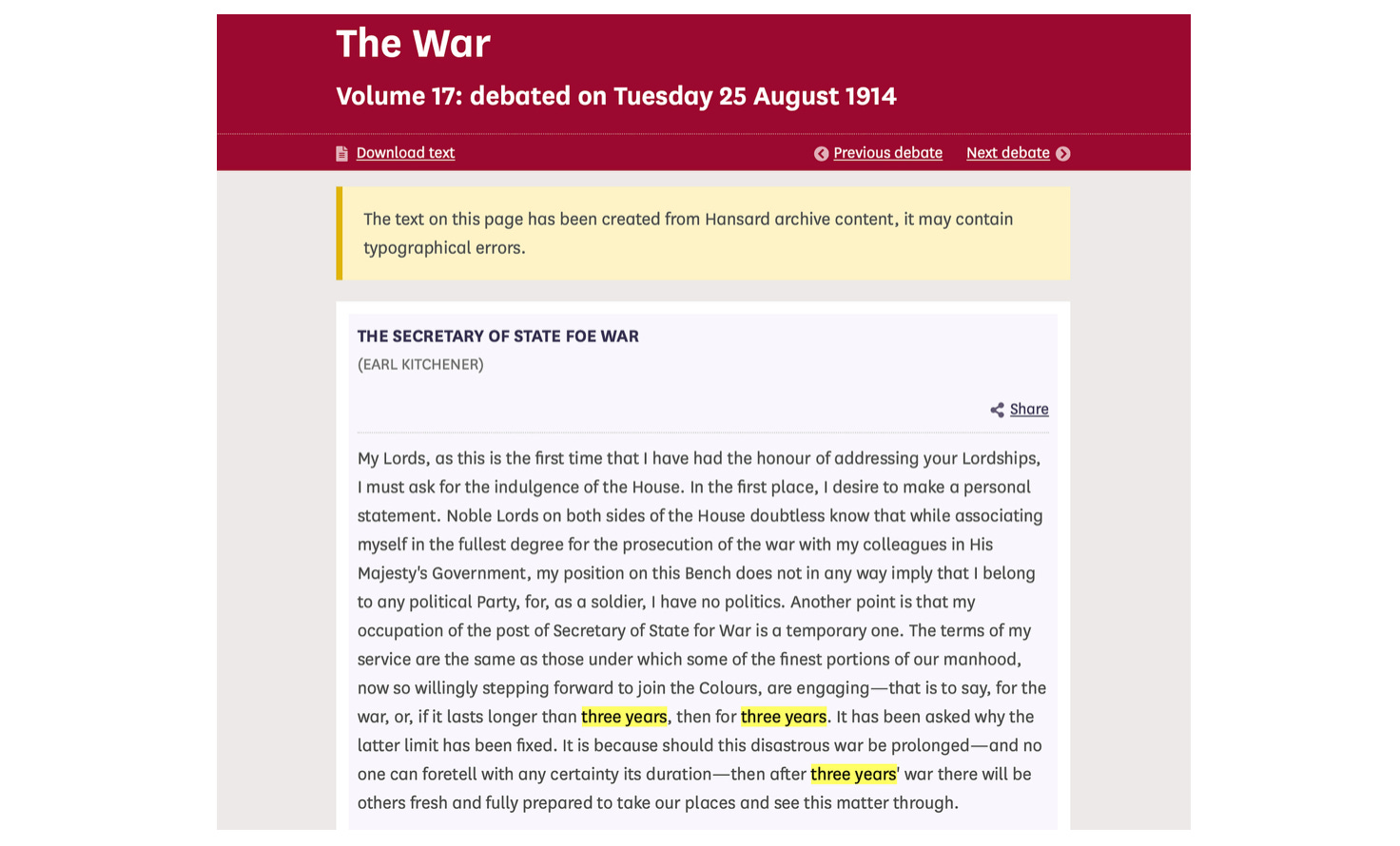
A sophisticated propaganda machine swung into action to justify the war.
Censorship was meekly accepted by the British press. The public were effectively misled until news of the retreat from Mons was leaked by the Northcliffe press in order to stress the need for recruitment and reinforcements.
The Secret Elite mobilized their academic forces at Oxford University to produce 87 specially commissioned pamphlets to justify the war. Many were aimed at America.
The myth makers of history included authors and journalists. In September 1914, a War Propaganda Bureau was set up secretly. It used H. G. Wells, Arthur Conan Doyle, G. K. Chesterton, Hilaire Belloc and John Buchan.
Americans were shamelessly courted. In late August 1914, J.P. Morgan influenced the appointment of English editorial writers on forty U. S. newspapers.
360 newspapers in smaller States were supplied with weekly reviews of the war from a British and French perspective. 260,000 prominent Americans were targeted with personal correspondence directly from Britain.
The mass media became a weapon of war and America was its prime target.
The first major propaganda onslaught came with the publication of the Bryce Report on Alleged German Outrages (in Belgium). Bryce was chosen to lead the so-called investigation because he was a popular former ambassador to the United States. It was a propaganda coup.
American correspondent Irvin Cobb and the lawyer Clarence Darrow unmasked many of the wilder, most offensive claims, but the damage was done.
The Church of England indulged in a despicable level of propaganda from the pulpits, while many of their senior churchmen held shares in the armaments industries.
The Bishop of London was the most outrageous. He called war a great crusade, ‘to kill Germans, to kill the good was well as the bad... to kill them less the civilization of the world itself should be killed’
The Church of England has never apologized for this disgusting behavior.
Church leaders reluctant to repent… Who knew?
As to those last three points, I wonder if a book will one day be written featuring a similar summary in relation to the covid era:
The Church of England indulged in a despicable level of propaganda from the pulpits. Church buildings were opened as vaccine centres, and Durham cathedral even demanded covid passes for worshippers. To this day, it is not known how much the Church of England’s £11.1 billion endowment fund — which apparently delivered a 10.3% return in 2024 — profited from investments in pharma companies that made billions from the covid deception endorsed by so many church leaders.
Senior bishops played a key role in promoting the narrative, and particularly covid vaccines, as did prominent figures from various denominations , but the Archbishop of Canterbury was the most outrageous. As early as February 2021, with all the talk of how “safe and effective” the injections were, Justin Welby was already speaking of the need for boosters over a period of years. He went on to invoke Jesus’ command to “love your neighbour” which added to the pressure on people to take a gene-based injection with no long-term safety data. Church leaders — and indeed the vast majority of Christian medics — said little or nothing about the egregious violation of informed consent.
The Church of England has never apologised for this disgusting behaviour.
As to World War I, acknowledgement is obviously long overdue, and would cost today’s church leaders very little. I wonder how widely known the behaviour of the then-leaders of the Church of England will have to become before any of its current leadership publicly acknowledge what happened.
Not unrelated:


Unexpected Turns homepage
The most-read articles can be found here
Data from the UK government’s Office for National Statistics
In the nineteenth century, Viscount Palmerston was Foreign Secretary from 1830–1834, 1835–1841 and 1846–1851
When he was Prince Charles